Introduction
In the world of skincare, one size does not fit all. Understanding your unique skin type is essential for developing an effective skincare regime that addresses individual needs and concerns. This article will delve into the various skin types, the ingredients that best suit each type, and how to build a customized skincare routine. We will also explore the importance of monitoring your skin’s response and adjusting your routine as necessary. Through this detailed guide, we aim to empower you to embrace your skin’s uniqueness and optimize your skincare practices.
Understanding Your Skin Type
Identifying Oily, Dry, Combination, and Sensitive Skin
Your skin type is primarily determined by genetics, but it can also be influenced by environmental factors and lifestyle choices. Oily skin is characterized by excess sebum production, resulting in a shiny appearance and larger pores. Conversely, dry skin often feels tight, rough, or flaky due to insufficient moisture. Combination skin presents a mix of both oily and dry areas, usually with an oily T-zone (forehead, nose, chin) and dryness on the cheeks. Sensitive skin is more reactive and prone to irritation, often displaying redness, itching, or burning sensations.
Identifying your skin type can be achieved through simple self-assessment techniques. A common method involves cleansing your face and leaving it bare for several hours to see how it reacts. Observe areas of oiliness, dryness, or irritation to help classify your skin. Understanding these characteristics is the first step in customizing a skincare system that works for you.
The Importance of Skin Type Awareness
Being aware of your skin type is crucial in selecting the right products and treatments. Using products designed for a different skin type can exacerbate existing concerns or create new issues. For instance, applying heavy oils on oily skin may lead to breakouts, while using harsh cleansers on dry skin can strip natural oils, worsening dryness. By understanding your skin type, you can navigate the myriad of skincare products available and make informed choices that will promote health and balance.
Moreover, skin type can change with age, hormonal fluctuations, and environmental factors. Regularly reassessing your skin type and its needs will ensure your skincare routine evolves along with your skin, preventing stagnation and promoting optimal results.
Assessing Your Skin’s Needs
Conducting a Skin Assessment
A thorough skin assessment involves a combination of visual observation and tactile evaluation. Start by cleansing your face to remove makeup and impurities, then examine how your skin feels and looks over the next few hours. Pay attention to areas that become shiny, tight, or flaky. Additionally, consider other factors such as your lifestyle, diet, and any products you have recently used, as these can all impact your skin’s health.
Taking notes during this assessment can be helpful. Document your observations regarding oil production, dryness, texture, and any visible signs of irritation or sensitivity. This data will serve as a valuable reference when choosing products or consulting with professionals.
Recognizing Common Skin Concerns
In addition to identifying your skin type, recognizing specific concerns such as acne, rosacea, hyperpigmentation, or signs of aging will help tailor your skincare routine further. For example, if you suffer from acne, look for ingredients like salicylic acid or benzoyl peroxide; for signs of aging, consider retinoids or peptides.
Understanding your skin’s unique needs and concerns allows for a more targeted approach to skincare, ensuring you address specific issues while maintaining overall skin health. By combining skin type awareness with an understanding of common concerns, you can fine-tune your regimen for optimum results.
The Role of Ingredients in Skincare
Key Ingredients for Oily Skin
Oily skin often benefits from lightweight, non-comedogenic products that keep excess oil at bay. Look for ingredients like salicylic acid, which penetrates the pores to help reduce oiliness and prevent breakouts. Niacinamide is another excellent choice, as it helps regulate oil production and improve skin texture.
Additionally, clay-based masks can draw out impurities and absorb excess oil, making them an ideal choice for oily skin. Choose gel-based moisturizers that provide hydration without adding extra oil, thereby maintaining a healthy balance.
Key Ingredients for Dry Skin
For those with dry skin, it’s vital to focus on hydration and moisture retention. Ingredients like hyaluronic acid, glycerin, and ceramides are excellent for attracting water to the skin and locking in moisture. Additionally, oils such as jojoba or argan oil provide essential fatty acids that nourish and hydrate the skin barrier.
When selecting products, opt for cream-based moisturizers and avoid alcohol-based products that could further dehydrate your skin. Incorporating a rich, hydrating serum before your moisturizer can also enhance your skin’s moisture levels.
Key Ingredients for Combination Skin
Combination skin requires a balanced approach to cater to both oily and dry areas. Look for products that are labeled as lightweight but hydrating, such as gel-creams that offer moisture without heaviness. Ingredients like aloe vera and chamomile can provide hydration while also soothing any irritation that may arise.
Utilizing different products for different areas may be beneficial; for example, a gel-based moisturizer can work wonders on the T-zone, while a creamier formulation can provide relief for dry patches. Tailoring your product choice in this manner ensures all facets of your skin are well cared for.
Key Ingredients for Sensitive Skin
Individuals with sensitive skin should prioritize gentle, soothing ingredients that minimize irritation. Look for formulations that include aloe vera, calendula, or green tea extract, as they are known for their calming properties. Avoid fragrances and harsh chemicals that could trigger reactions.
Barrier-repairing ingredients like ceramides and fatty acids are also critical for sensitive skin, as they help restore the skin’s natural defense mechanisms. A simple, minimalist routine often works best, focusing on hydration and protection rather than aggressive treatments.
Building Your Custom Skincare Routine
Step 1: Cleansing
The first step in any skincare routine is cleansing. Choose a cleanser appropriate for your skin type; for oily skin, a foaming or gel cleanser may work best, while a cream or balm cleanser suits dry skin better. Cleansing twice daily can help remove dirt, oil, and makeup, setting the stage for the rest of your products to perform effectively.
Be mindful not to over-cleanse, as this can strip the skin of essential oils, leading to increased oil production or sensitivity. A gentle touch and a suitable product will help maintain balance.
Step 2: Exfoliating
Exfoliation is crucial for removing dead skin cells and promoting cell turnover. The frequency and type of exfoliation should be tailored to your skin type. Chemical exfoliants with AHAs and BHAs are great for oily and combination skin, while sensitive skin should opt for gentle exfoliating agents like lactic acid or enzymes.
Exfoliation should generally be limited to 1-3 times per week, depending on your skin’s tolerance. Over-exfoliating can lead to irritation, so it’s essential to listen to your skin and adjust accordingly.
Step 3: Toning
Toners can be beneficial, especially for oily or combination skin, as they help restore pH balance and remove residual impurities after cleansing. Look for alcohol-free toners with hydrating ingredients like rosewater or chamomile to avoid drying the skin.
For dry or sensitive skin, toners should be avoided if they cause irritation. Instead, focus on hydrating essences that offer a moisture boost and help prepare the skin for serums and moisturizers.
Step 4: Serums and Targeted Treatments
Serums are concentrated treatments designed to address specific concerns such as pigmentation, acne, or fine lines. Choose ingredients based on your skin needs; for instance, vitamin C brightens and evens skin tone, while retinol targets aging.
Apply serums to clean, toned skin before moisturizing. Layering them effectively ensures all active ingredients can penetrate deeply, maximizing their benefits.
Step 5: Moisturizing
Moisturizing is a non-negotiable step for all skin types. Use lightweight, non-comedogenic moisturizers for oily skin and thicker, richer creams for dry skin. Combination skin may require using different products on different areas, ensuring hydration without overwhelming oilier sections.
Moisturizers help seal in hydration and create a barrier against environmental stressors. Regular use can improve overall skin texture and health.
Step 6: Sun Protection
Lastly, sunscreen is essential for protecting your skin from harmful UV rays. Use a broad-spectrum SPF of at least 30 daily, regardless of your skin type. For oily skin, look for oil-free or gel-based sunscreens, while dry skin may benefit from creamier formulations.
Applying sunscreen should be the final step in your morning skincare routine, ensuring your skin remains shielded throughout the day.
RemeVerse Products for Every Skin Type
Tailored Solutions for Oily Skin
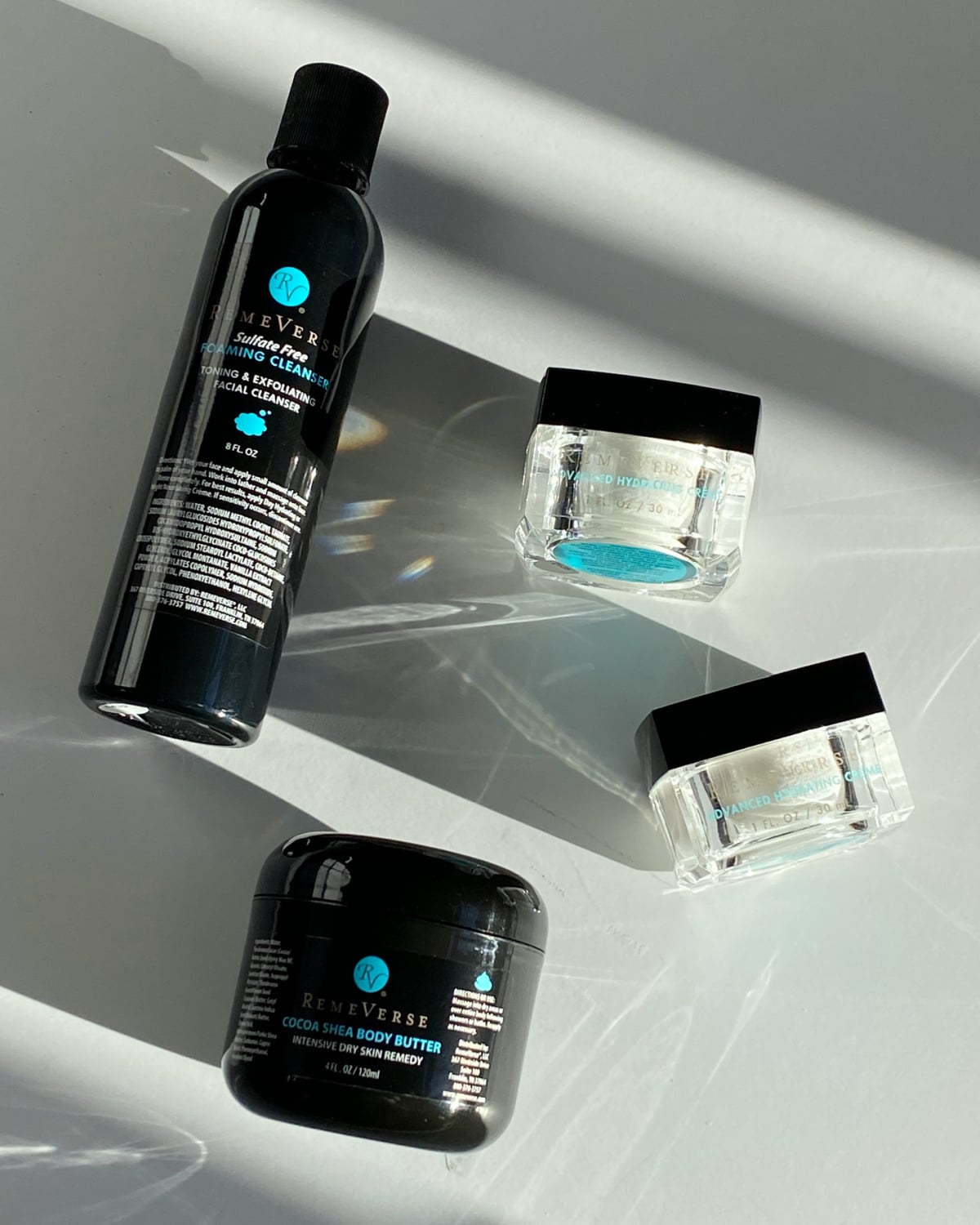
RemeVerse offers a range of products formulated specifically for oily skin, including mattifying cleansers and lightweight moisturizers that control shine without clogging pores. Additionally, spot treatments with salicylic acid can help target breakouts effectively.
Incorporating RemeVerse’s clay masks into your routine can further draw out impurities, providing a comprehensive approach to managing oily skin.
Hydrating Options for Dry Skin
For those with dry skin, RemeVerse provides rich creams infused with essential oils and hyaluronic acid to restore moisture. Their hydrating serums are excellent for layering under moisturizers, ensuring deep hydration throughout the day.
Night creams designed to nourish and repair the skin barrier can also greatly benefit dry skin, making RemeVerse a go-to for comprehensive hydration.
Balanced Products for Combination Skin
RemeVerse understands the needs of combination skin and offers gel-creams that hydrate without heaviness, as well as targeted treatments that can be applied to specific areas. Their products cater to both the oily T-zone and dry patches, promoting an even, healthy complexion.
Regular use of their balancing toners can help maintain equilibrium, ensuring that no part of your skin feels neglected.
Gentle Formulations for Sensitive Skin
For sensitive skin, RemeVerse specializes in gentle formulations free of irritants. Their calming serums and soothing moisturizers are designed to nourish while minimizing the risk of irritation. Ingredients such as chamomile and aloe vera help soothe and protect sensitive skin.
Regular use of RemeVerse’s products can establish a nurturing routine, promoting comfort and resilience against environmental factors.
Creating a Skincare Routine: Morning vs Evening
Morning Routine Essentials
The morning skincare routine should focus on protection and hydration. Start with a gentle cleanser to remove nighttime oils and impurities. Follow with toner, serums, and a lightweight moisturizer. Don’t forget to apply sunscreen to shield your skin from UV damage throughout the day.
This routine sets a positive tone for your skin by ensuring it is clean, hydrated, and protected, promoting a healthy look all day long.
Evening Routine Essentials
In the evening, your skincare routine should involve more intensive treatments. Begin with a thorough cleanse to remove makeup and sunscreen. Exfoliation can also be incorporated a few times a week. After cleansing, apply your serums and a nourishing moisturizer to repair and rejuvenate while you sleep.
This routine is crucial for recovery and cell turnover, allowing your skin to repair itself from the day’s damage.
Adjusting Your Skincare Routine with the Seasons
Adapting to Changing Weather Conditions
As the seasons change, your skin’s needs may shift, requiring adjustments to your skincare routine. During winter, dry air can exacerbate dryness, necessitating heavier moisturizers and richer serums. Conversely, summer heat can lead to increased oiliness, prompting the use of lighter, mattifying products.
Pay attention to how your skin reacts to seasonal shifts and adapt your routine accordingly to maintain balance and health year-round.
Seasonal Skin Concerns and Solutions
Each season brings its own set of skin concerns. Winter may lead to dry, flaky skin, while summer can cause increased oiliness and breakouts. In spring and fall, allergies may trigger sensitivities or irritation, which necessitates gentle formulations.
Being proactive in adjusting your skincare approach during these times helps mitigate issues before they arise, ensuring your skin remains vibrant and healthy.
Monitoring Your Skin’s Response
Tracking Changes Over Time
Monitoring your skin’s reaction to products and environmental factors is vital for long-term skincare success. Keeping a skincare journal can help you track changes in your skin’s appearance, texture, and overall health. Documenting your routine and any reactions can provide insights into what works best for you.
Regularly evaluate your skin and adjust your products and routine based on observed changes. This practice empowers you to take charge of your skincare journey.
When to Seek Professional Advice
If you notice persistent issues, such as severe breakouts, rashes, or signs of allergic reactions, it may be time to consult a dermatologist. They can provide tailored advice and treatment options that address your skin concerns more effectively.
Professional guidance can be invaluable, particularly when dealing with complex skin issues, ensuring you receive the appropriate care and recommendations.
Conclusion: Embrace Your Unique Skin Journey
Recap of Customization Importance
Building a personalized skincare routine is critical for maintaining skin health and addressing specific concerns effectively. By understanding your skin type and its unique needs, you can choose products and routines that enhance your skin’s natural beauty.
Remember that skincare is not a one-time endeavor but an ongoing journey that requires attention and adaptation. Embrace your uniqueness and invest in your skincare with intention.
Encouragement to Try RemeVerse Products
We encourage you to explore RemeVerse’s diverse product offerings tailored for various skin types. With thoughtfully formulated ingredients designed to cater to individual needs, these products can help you achieve the healthy, radiant skin you desire. Embrace the journey of skincare, and let RemeVerse be your trusted partner along the way.