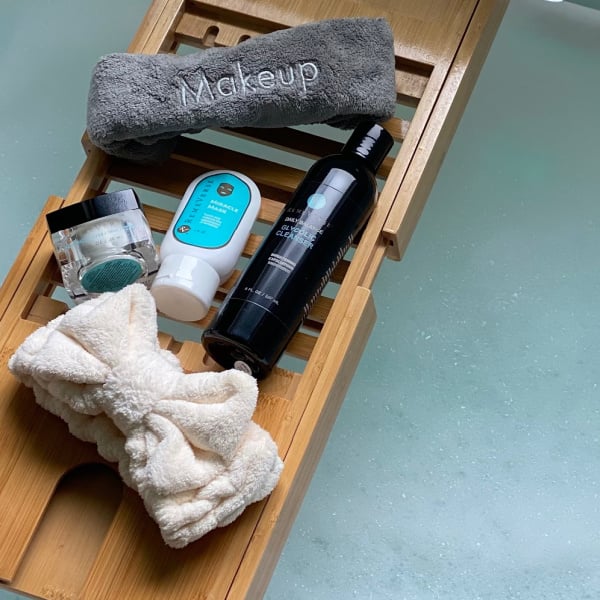
Introduction to Skincare and Wellness
In today’s world, skincare has evolved from a basic routine into a significant aspect of health and wellness. An effective skincare regimen can provide not only aesthetic benefits but also enhance overall well-being. The understanding that our skin serves as a protective barrier and a reflection of our internal health underscores the importance of choosing the right products and routines tailored to individual needs.
Wellness products play a pivotal role in this journey, offering a wide range of solutions designed to nourish the skin and promote its health. This article will guide you through developing a comprehensive skincare routine that incorporates wellness products, ensuring you achieve radiant and healthy skin.
The Importance of Skincare
Skincare is essential for maintaining healthy skin, which acts as our first line of defense against environmental pollutants, harmful UV rays, and other stressors. A well-structured skincare routine helps to remove impurities, hydrate, and protect the skin, reducing the risk of various skin conditions such as acne, eczema, and premature aging.
Moreover, taking care of your skin can significantly impact your confidence and self-esteem. When you feel comfortable in your skin, it reflects in your demeanor, influencing how you interact with the world. Therefore, understanding how to care for your skin properly is crucial for both physical health and mental well-being.
Understanding Wellness Products
Wellness products encompass a range of items designed to enhance health, both physically and emotionally. This can include skincare treatments, dietary supplements, and even lifestyle products that contribute to overall well-being. The right wellness products can support skin health by providing essential nutrients, antioxidants, and hydration that are needed to keep skin looking youthful and vibrant.
When selecting wellness products, it is essential to consider not only the ingredients but also how they align with your skincare goals. Products that focus on natural, clean ingredients often yield better results and are gentler on the skin, making them ideal for those with sensitive skin types or conditions.
Identifying Your Skin Type
Different Skin Types Explained
Before embarking on a skincare journey, it’s crucial to identify your skin type. The common types include:
- Oily Skin: Characterized by excess sebum production, leading to a shiny appearance and enlarged pores.
- Dry Skin: Lacking moisture, this skin type can appear flaky or rough and may feel tight or itchy.
- Combination Skin: Features both oily and dry areas, usually with an oily T-zone and dry cheeks.
- Sensitive Skin: Easily irritated, this skin type reacts negatively to certain products or environmental factors.
- Normal Skin: Well-balanced, with minimal issues, normal skin appears healthy and not prone to breakouts.
How Skin Type Affects Product Choice
Understanding your skin type is critical when choosing products. For example, individuals with oily skin may benefit from lightweight, non-comedogenic products that do not clog pores. In contrast, those with dry skin should opt for rich, hydrating formulas that restore moisture. Sensitive skin types require gentle ingredients to avoid irritation, while normal skin can often accommodate a broader range of products.
By selecting products tailored to your skin type, you enhance the effectiveness of your skincare routine and minimize the risk of adverse reactions.
Essential Steps in a Skincare Routine
Step 1: Cleansing
The foundation of any skincare routine begins with cleansing. This step is crucial for removing dirt, oil, and makeup from the skin’s surface, preventing clogged pores and breakouts. It’s essential to choose a cleanser suited to your skin type, whether it be a gel, foam, cream, or micellar water. A gentle cleanser can help maintain the skin’s natural barrier, while a more robust formula may be necessary for oily skin.
Cleansing should be performed twice daily-once in the morning to remove overnight residue and once at night to eliminate impurities accumulated throughout the day. For best results, consider double cleansing, especially if you wear makeup, as this ensures a thorough cleanse.
Step 2: Toning
Toning is often viewed as an optional step, but it can significantly enhance your skincare routine. Toners help to balance the skin’s pH levels after cleansing and can provide additional hydration. They may also contain ingredients that target specific skin concerns, such as enlarged pores or uneven texture.
Choosing an alcohol-free toner is advisable, as alcohol can dry out the skin. Look for toners containing hydrating ingredients such as hyaluronic acid or calming botanicals like chamomile to soothe the skin.
Step 3: Treatment
After toning, the next step is to apply any targeted treatments. This can include serums, spot treatments, or essences that address specific skin concerns, such as acne, pigmentation, or fine lines. Serums are typically more concentrated than moisturizers and can penetrate deeper into the skin, making them effective in delivering active ingredients.
When selecting treatments, consider your skin’s needs and choose products with clinically proven ingredients. For example, retinol is excellent for anti-aging, while salicylic acid can help clear breakouts.
Step 4: Moisturizing
Moisturizing is a vital step in any skincare regimen, regardless of skin type. A good moisturizer helps to lock in hydration and prevent moisture loss, creating a protective barrier on the skin’s surface. It’s essential to choose a moisturizer that complements your skin type-lightweight gels for oily skin, creamy formulations for dry skin, and non-comedogenic options for sensitive skin.
Incorporating a moisturizer into your routine will help maintain skin elasticity and provide a healthy, fresh appearance. Even those with oily skin should moisturize, as skipping this step can lead to increased oil production and more breakouts.
Step 5: Sun Protection
Sun protection is arguably the most critical step in any skincare routine. UV rays can lead to premature aging, skin damage, and increase the risk of skin cancer. Therefore, applying a broad-spectrum sunscreen with at least SPF 30 is essential every day, even on cloudy or rainy days.
Sunscreen should be applied as the final step of your morning skincare routine and reapplied throughout the day, especially if spending time outdoors. Options include chemical sunscreens, which absorb UV radiation, and physical sunscreens, which reflect it away from the skin. Understanding the differences between these types can help you choose the right one for your skin type and daily activities.
Choosing the Right Wellness Products
Ingredients to Look for in Wellness Products
When selecting wellness products, always focus on the ingredients. Some key ingredients to look for include:
- Hyaluronic Acid: A powerful humectant that attracts moisture to the skin, keeping it hydrated.
- Vitamin C: An antioxidant that brightens the skin and combats free radical damage.
- Retinol: A form of vitamin A that promotes cell turnover and reduces the appearance of fine lines and wrinkles.
- Niacinamide: Known for its anti-inflammatory properties, it helps to improve skin texture and minimize enlarged pores.
- Aloe Vera: A soothing ingredient that calms irritated skin and provides hydration.
Building Your Personalized Skincare Routine
Morning Routine Essentials
Your morning skincare routine should focus on protection and hydration, preparing your skin for the day ahead. Start with cleansing to remove any overnight impurities, followed by toning to balance your skin’s pH. Next, incorporate a treatment that addresses your specific skin concerns, such as a vitamin C serum for brightening and protection against environmental stressors.
After treatment, apply a lightweight moisturizer to hydrate your skin, followed by a broad-spectrum sunscreen to shield against UV damage. This simple yet effective routine sets a solid foundation for healthy skin.
Evening Routine Essentials
Your evening skincare routine should focus on repairing and rejuvenating your skin. Begin with cleansing to remove makeup, dirt, and impurities. Follow up with toning, then apply a targeted treatment, such as a retinol serum or a hydrating essence, depending on your skin’s needs.
Then, seal in moisture with a richer nighttime moisturizer or an oil, which can help repair the skin while you sleep. This routine allows your skin to recover overnight, ensuring you wake up with a fresh, revitalized complexion.
Common Skincare Myths Debunked
Myth 1: More Products Mean Better Results
One of the most prevalent myths in skincare is that layering numerous products guarantees better results. However, using too many products can lead to irritation and overwhelming your skin. Instead, focus on a few high-quality products that cater to your skin type and concerns. A streamlined routine often yields better results than one laden with multiple products.
Myth 2: You Only Need Sunscreen in Summer
Another common misconception is that sunscreen is only necessary during sunny weather. In reality, UV rays can damage your skin year-round, regardless of the weather. It’s essential to apply sunscreen daily to protect your skin from harmful rays, preventing long-term damage and premature aging.
Myth 3: Natural Products Are Always Better
While many natural products can be beneficial, it is essential to remember that natural does not always equal safe or effective. Some natural ingredients can cause irritation or allergic reactions. Always conduct a patch test and consider the scientific backing of ingredients, regardless of their source.
Tracking Your Progress
Why Tracking Matters
Tracking your skincare progress is vital to understanding how your skin responds to various products and routines. Keeping a skincare journal can help you document changes in your skin’s appearance, texture, and overall health over time. This information is invaluable for adjusting your routine as needed.
How to Evaluate Your Skin’s Response
When tracking progress, take note of any improvements or concerns. Look for changes in hydration levels, breakouts, and overall texture. Additionally, consider how your skin reacts to specific products, and be mindful of any irritations that may arise. This systematic approach allows for informed decisions about product selection and routine adjustments.
Adjusting Your Routine Seasonally
Winter Skincare Adjustments
As seasons change, so do your skin’s needs. In winter, colder temperatures and dry indoor air can strip the skin of moisture, leading to dryness and irritation. To combat this, consider switching to a richer moisturizer and incorporating hydrating serums or oils into your routine. Additionally, using a humidifier in your home can help maintain moisture levels in the air, further benefiting your skin.
Summer Skincare Considerations
In the summer, on the other hand, your skin may require lighter products to prevent clogged pores from excess oil and sweat. Opt for gel-based moisturizers and lightweight sunscreens that won’t feel heavy on the skin. Regular exfoliation is also crucial during this season to remove dead skin cells and keep your complexion clear.
Incorporating Wellness Products into Your Routine
The Role of Supplements
Integrating wellness products goes beyond topical applications; dietary supplements can significantly enhance your skin health from the inside out. Supplements such as omega-3 fatty acids, vitamins A, C, and E, and biotin can support skin hydration, elasticity, and overall appearance.
Consulting with a healthcare provider can help determine which supplements may be beneficial for your unique skin concerns and overall health goals.
The Impact of Lifestyle Choices on Skin Health
Your lifestyle choices profoundly affect your skin health. Factors such as diet, hydration, sleep, and stress levels play a critical role in maintaining a healthy complexion. A balanced diet rich in fruits, vegetables, and healthy fats provides essential nutrients that support skin health. Staying hydrated is equally crucial, as it helps maintain skin elasticity and prevents dryness.
Moreover, managing stress through activities such as exercise, meditation, or adequate sleep can significantly improve skin appearance. Prioritizing self-care and a balanced lifestyle will lead to a more radiant complexion and better overall well-being.
Conclusion: Committing to Your Skincare Journey
Consistency is Key
Creating and maintaining a successful skincare routine requires commitment and consistency. Results may take time, but a well-formulated routine tailored to your skin type and needs will yield positive outcomes. By diligently following the steps outlined in this article, you can significantly improve your skin’s health and appearance.
Embracing a Holistic Approach with RemeVerse
Combining traditional skincare practices with the benefits of wellness products, such as those from RemeVerse, creates a holistic approach to skincare. This commitment to nurturing your skin and overall health will empower you to embrace your unique beauty and foster confidence.